Snowy Owl Applique: A Designer’s Real-World Review
First Impressions: Quiet Magic, Not Just Cuteness
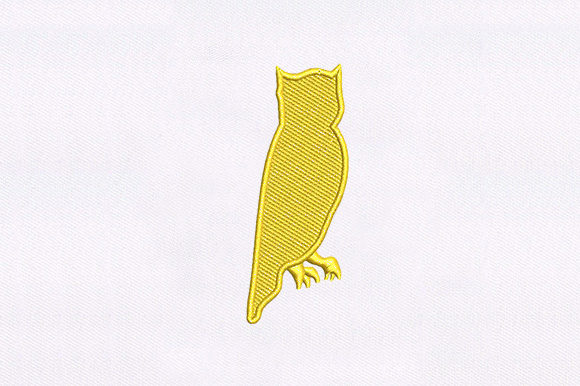
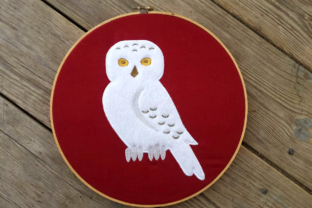
Opening the Snowy Owl Applique file feels like unboxing a small, thoughtful gift—no flash, no noise, just clean organization and quiet intention. This isn’t a cartoon owl or a stylized mascot; it’s a softly grounded, gently dimensional applique design that leans into the hushed elegance of its namesake. The shape is generous but not oversized—its wings taper with subtle asymmetry, the head tilts just enough to suggest presence, not posture. There’s breathing room in the layout, and the negative space around the owl feels intentional, not accidental. That matters when you’re stitching for real products—not just test hoops.
Where It Lives Best: Tote Bags, Nursery Pillows, and Thoughtful Gifts
I recently prepped a custom embroidered tote bag for a local indie bookstore’s holiday launch—and Snowy Owl Applique was my top contender. Why? Because it holds up at 5”–6” width without losing definition, reads clearly from three feet away, and carries warmth without saccharine sweetness. It’s equally at home on a linen pillow cover for a nursery (paired with soft gray thread and cotton batting), a brushed cotton sweatshirt for a winter farmers’ market stall, or a baby onesie where subtlety and safety are non-negotiable.
For Etsy sellers and small shop owners: this design doesn’t shout—it invites. Customers browsing handmade goods respond to that nuance. I’ve seen similar owls sell well as embroidered patches for denim jackets, but Snowy Owl Applique works even better as a *centered focal point*, not an accent. Its visual weight balances cleanly on aprons, tea towels, and even lightweight blankets—especially when stitched with matte cotton thread on natural fibers.
Real Embroidery Behavior: What Happens Under the Needle
This is an applique design, so expectations shift: you’ll need your base fabric cut, pinned or fused, then secured with satin stitch edges and interior detail stitches. The color-separated steps are a huge plus—no guessing whether that tiny feather highlight belongs with the wing or the eye. But heed the note: Please do not color sort or combine colors. That’s not arbitrary. The sequence supports layering integrity, especially where raw edges tuck under satin-stitched borders. On stretchy knits or thin quilting cotton, skipping that order can cause puckering or misalignment.
Stitch density feels balanced—not sparse enough to look unfinished, not dense enough to stiffen lightweight fabrics. That said, avoid using it full-size on ultra-thin silk or rayon challis unless you add tear-away + cut-away stabilizer combo. On dark fabric? Test contrast early. Some lighter thread shades may need a white underlay or slightly heavier top thread to pop. And yes—it works on caps, but only in the smallest hoop size included. Anything larger risks distortion over the curve.
Where to Proceed With Care
- Small hoop sizes: The design scales down gracefully, but below 3”, fine details (like individual feather lines) begin to compress. Use running stitch outlines instead of satin if clarity suffers.
- Textured fabrics: Heavy tweeds or bouclé can swallow delicate fill stitches. Opt for bolder satin borders and simplify interior detail when needed.
- Layered garments: Think hoodies or lined jackets—test placement depth. The owl’s wingspan can catch on seam allowances if hooped too close to an edge.
- Frequent-wash items: Baby bibs or kitchen towels? Reinforce satin stitch edges with a second pass or use poly thread for durability. Cotton thread frays faster with repeated laundering.
Design Impact Beyond the Hoop
A well-executed Snowy Owl Applique does more than decorate—it signals care. That matters for brand consistency, especially if you’re building a cohesive line of nature-inspired embroidery files or boutique merchandise. Buyers notice when an owl looks *stitched*, not stamped. They feel the difference between a rushed satin border and one that wraps smoothly around a curved wingtip. That perceived craftsmanship lifts perceived value: a $48 embroidered pillow feels justified when the owl has dimension, restraint, and quiet confidence.
For digital product sellers: this design translates cleanly into printable mockups. Its silhouette reads in grayscale, and its proportions hold up across social thumbnails, listing banners, and email headers. No frantic cropping needed. For craft fairs or wholesale pitch decks? It’s versatile enough to represent both “cozy handmade” and “refined modern”—a rare dual resonance.
Practical Designer Notes Before You Stitch
- Test on scrap fabric *with your exact stabilizer and thread*—not just generic settings.
- Check how the smallest hoop size renders on your machine. Some older models struggle with tight satin curves.
- Review stitch order before sending to your machine—applique sequences can behave differently across brands.
- Inspect corners and inner angles in your embroidery software. Are there any abrupt jumps or unnecessary trims?
- Try a black-and-white mockup. Does the shape still read as “owl” without color cues?
- Compare light and dark fabric backgrounds side-by-side. Adjust underlay or thread weight if needed.
- Confirm licensing terms before selling finished items—or reselling the embroidery file. This is critical for Etsy sellers and commercial embroidery shops.
Final Thought: A Design That Serves the Maker First
Snowy Owl Applique isn’t flashy—but it’s reliable, expressive, and quietly versatile. It fits naturally into a Birds-themed collection, yet stands apart from generic animal motifs through its restrained composition and thoughtful construction. As a designer who ships real orders, stocks craft fair booths, and builds repeatable product lines, I value designs that reduce rework, scale predictably, and resonate emotionally without leaning on trends. This one does all three. Whether you’re stitching a single personalized gift or producing 50 embroidered patches for a boutique launch, Snowy Owl Applique earns its place in your active embroidery project folder—not just your archive.